If your company is still running JD Edwards World on an AS/400 (or its successor, an IBM i), you already know finding help for it is harder than it should be. It's not that the system is bad — it's that fewer and fewer people know how to work on it.
JD Edwards World has been in production, in one version or another, for more than four decades. A meaningful chunk of mid-size and large companies in Chile — especially in manufacturing, distribution, and export — still depend on it for the stuff that actually matters: inventory, finance, intercompany processes. The problem isn't that the system is old. It's that fewer consultants understand RPG, DB2, and World's internal logic all at once, and a lot of the ones who do are closer to retirement than to their next project.
Maintenance isn't the same as "don't touch it"
There's a dangerous idea floating around a lot of companies: if it works, leave it alone. That reasoning holds up in the short term — it does work, after all — but in the medium term it's the opposite of maintenance. It's neglect wearing a nice shirt.
A well-maintained JD Edwards setup has someone regularly checking batch jobs, overnight processes, and interfaces with other systems. It has documentation of which RPG modifications were made and why. And it has a plan for when the current AS/400 hardware reaches end of life, instead of finding out the hard way when it starts failing.
Fear of touching the system shouldn't freeze the upgrade
We get why upgrading to JD Edwards EnterpriseOne, or upgrading in place on the same AS/400, feels risky. Any change to a legacy system this deeply wired into daily operations feels like playing with fire. But postponing the upgrade indefinitely has a cost that doesn't show up until it's too late — IBM support that gets pricier or disappears, an inability to hire people who still know how to work on systems this old, and a widening gap between what the system can do and what the business needs.
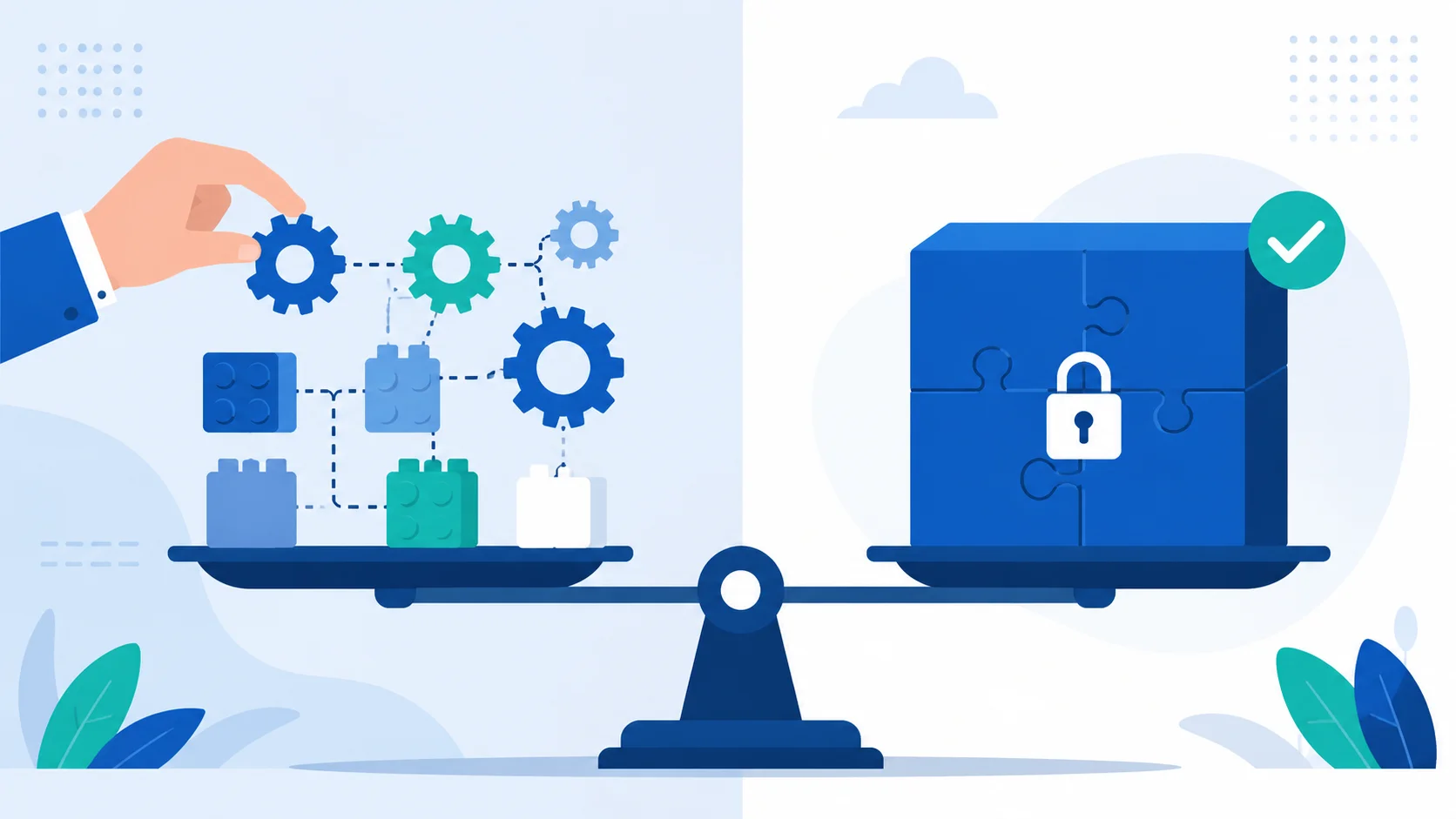
A well-planned JDE upgrade doesn't mean rewriting everything. It means figuring out which RPG customizations still matter, which don't, and modernizing in pieces without shutting the operation down to do it.
Modernizing without migrating is a real option, not a stopgap
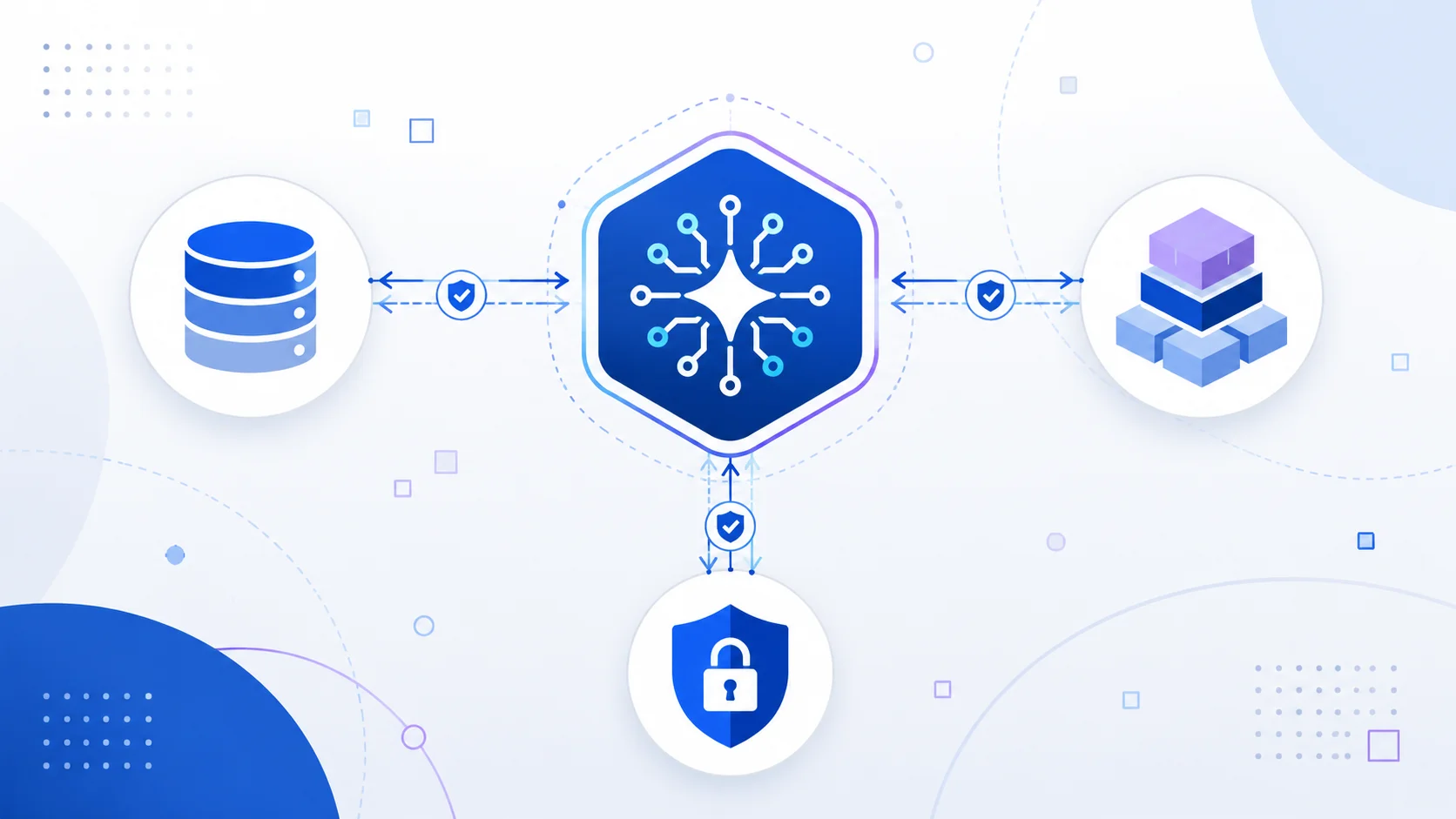
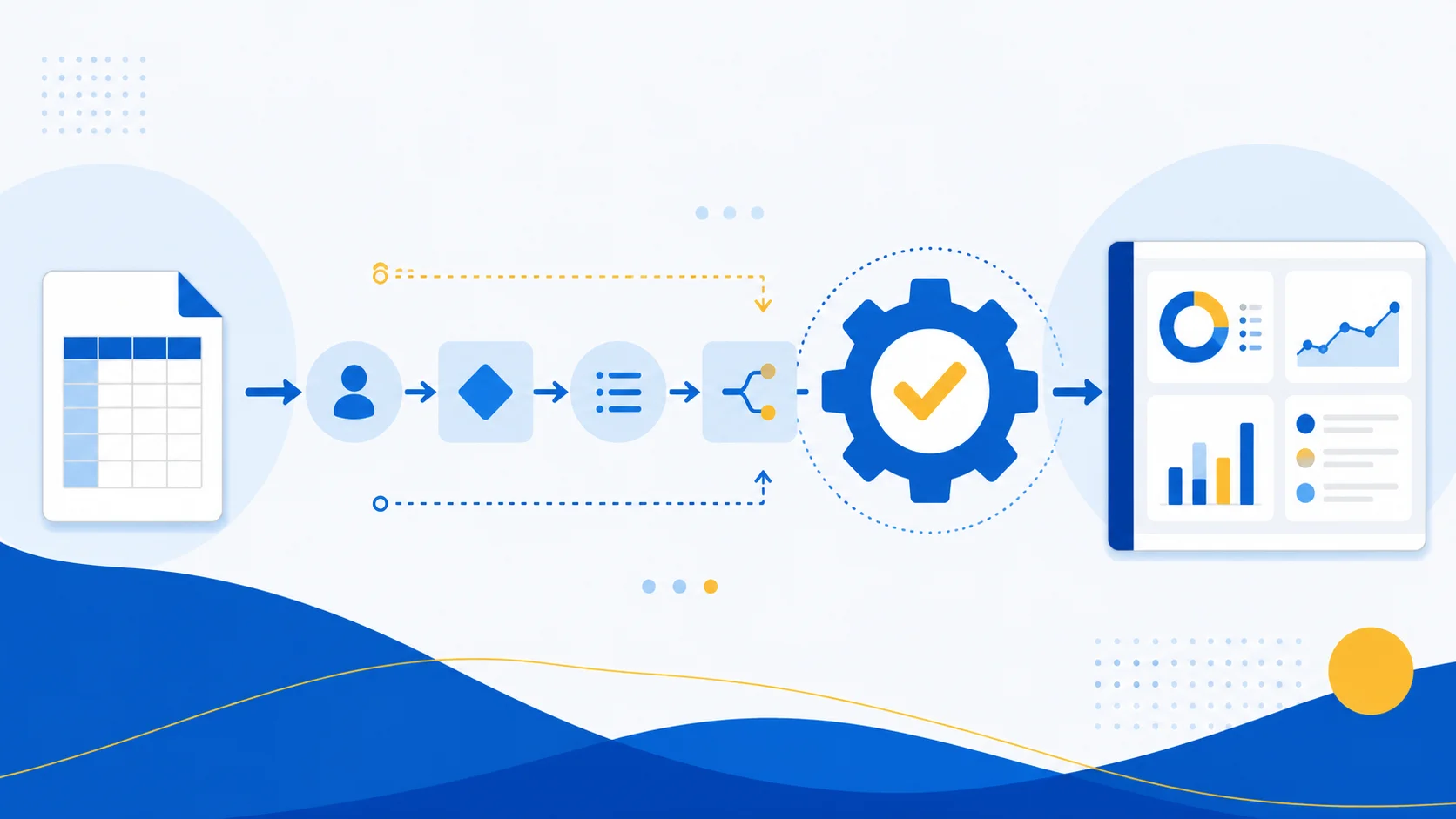
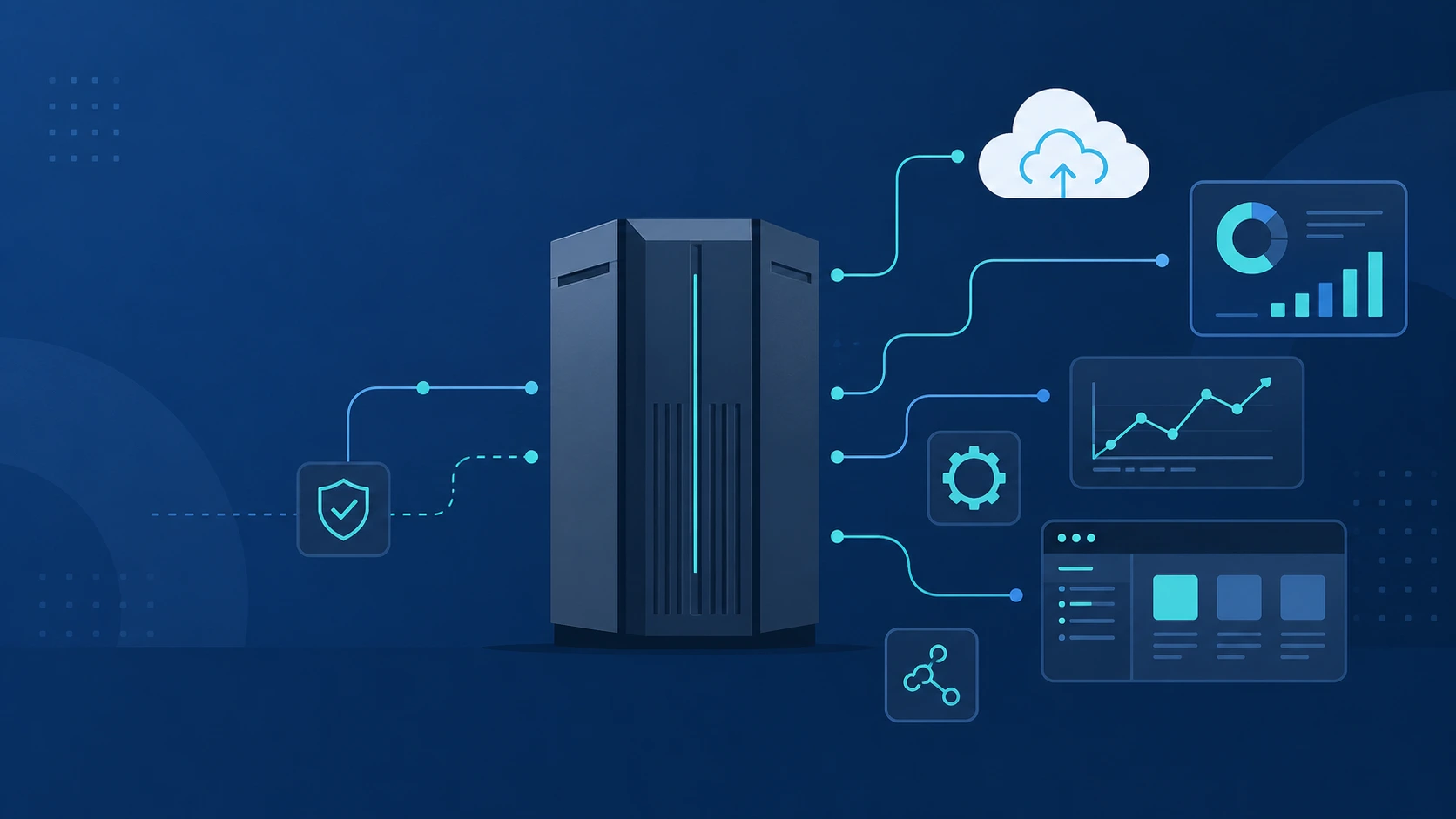
Here's something a lot of companies don't realize: you don't have to abandon AS/400 to modernize. You can automate accounting and intercompany processes, integrate JD Edwards with tools like Azure or Power BI, and build new interfaces — all while the core keeps running exactly where it's always run. It's the same pattern showing up in other legacy banking and manufacturing systems: build modern layers on top of a stable core instead of ripping the whole thing out overnight.
That cuts risk (you're not betting the entire operation on a years-long migration) and cuts cost, since you're not paying for a full reimplementation of something that, underneath it all, still works.
Why this matters more every year
The universe of companies still running JD Edwards World on AS/400 in Chile is small, and it shrinks a bit every year — some migrate to EnterpriseOne, some move to a different ERP entirely, others just keep putting off the decision. That means the pool of people who genuinely understand RPG, DB2, and World's architecture keeps getting thinner, not thicker.
If your company depends on JD Edwards over AS/400 and you're not sure where your maintenance actually stands, or what an EnterpriseOne upgrade would really involve, it's worth having that conversation now — not once the system starts showing signs of failure. At Disrupsoft we work on consulting, development, and support for JD Edwards World and EnterpriseOne over AS/400. Book a conversation with a consultant.