Introduction: The Challenge of Legacy Systems
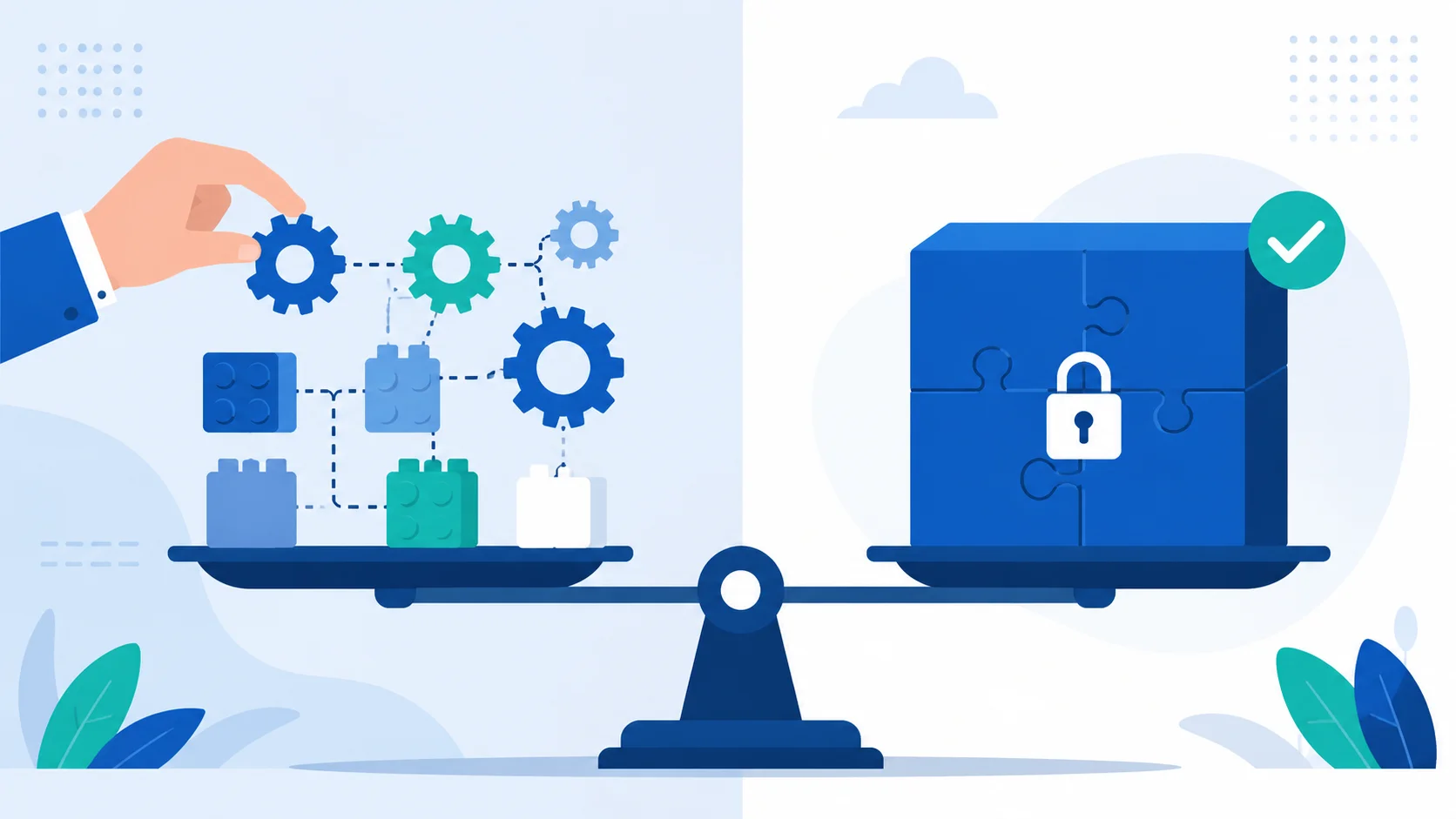
In today’s digital era, many companies face a crossroads: maintain systems that have worked for years but limit growth, or embark on a modernization journey that promises efficiency but requires investment and strategic planning.
How many times have we heard the phrase “if it ain’t broke, don’t fix it”? However, maintaining legacy applications carries hidden costs that go far beyond technical maintenance.
Why Modernize? Beyond Technology
The Real Costs of Maintaining Legacy Systems
Legacy applications not only consume technical resources; they directly impact:
- Business agility: Slower development times for new features
- Operational costs: Maintenance of obsolete infrastructure and scarce specialists
- Security: Vulnerabilities in systems without active support
- Competitiveness: Inability to adopt new technologies and market practices
The Right Time for Transition
Not every company needs to migrate immediately, but certain indicators suggest it’s time to consider modernization:
- Difficulty finding developers with experience in obsolete technologies
- Rising licensing and maintenance costs
- Limitations in integrating with modern systems
- Performance issues that affect user experience
.NET 8: The Modern Platform for the Future
Key Benefits of .NET 8
Superior Performance
.NET 8 introduces significant optimizations that translate into:
- Lower memory consumption: Up to 20% less RAM usage in web applications
- Faster startup: 15% reduction in application startup time
- Higher throughput: Improved handling of concurrent requests
True Cross-Platform Compatibility
A single codebase can run on:
- Windows (traditional and containers)
- Linux (various distributions)
- macOS (for development and deployment)
- Natively in Docker containers
Unified Development Model
.NET 8 consolidates different types of applications under one framework:
- Web applications (Blazor, ASP.NET Core, Minimal APIs)
- Desktop applications (WinUI, MAUI)
- Cloud services and microservices
- Cross-platform mobile applications
Migration Strategies to .NET 8
Gradual vs. Big Bang Approach
Incremental Migration (Recommended):
- Modernize modules separately
- Keep critical functionality stable
- Validate each phase before continuing
- Lower risk and reduced business disruption
Complete Migration:
- Full system rewrite
- Greater control over final architecture
- Requires more resources and time
- Higher risk but potentially greater benefit
Evaluation and Migration Tools
Microsoft provides specific tools to facilitate the process:
- .NET Upgrade Assistant: Automates much of the migration process
- Portability Analyzer: Assesses existing code compatibility
- Application Migration Toolkit: Tools tailored to application types
Migrating to Microsoft Azure: More Than an Infrastructure Shift
Strategic Advantages of the Cloud
Migrating to Azure is not just moving applications from physical servers to cloud virtual machines. It’s an opportunity to:
Transform Architecture
- Adopt microservices patterns
- Implement serverless architectures
- Improve resilience and availability
Optimize Operational Costs
- Pay only for actual resource usage
- Automatic scaling based on demand
- Reduced physical infrastructure costs
Accelerate Innovation
- Immediate access to advanced services (AI, ML, IoT)
- Native integration with development tools
- Built-in DevOps and CI/CD
Key Azure Services for .NET Applications
Azure App Service: The Solid Foundation
Key features:
- Simplified deployment from Visual Studio or GitHub
- Automatic scaling based on metrics
- Deployment slots for impact-free testing
- Built-in monitoring and diagnostics
Ideal use cases:
- Migrated traditional web applications
- RESTful APIs and web services
- Applications requiring rapid scaling
Migration considerations:
- Evaluate dependencies on specific IIS configurations
- Review connections to on-premises databases
- Plan environment-specific configuration management
Azure SQL Database: Cloud Data with Intelligence
Benefits over traditional SQL Server:
- Automatic tuning: Continuous performance optimization
- Built-in high availability: 99.99% SLA without extra configuration
- Intelligent insights: Proactive issue detection
- Elastic pools: Cost optimization for multiple databases
Data migration strategies:
- Azure Database Migration Service: Minimal downtime migration
- Backup/Restore: For smaller databases
- Transactional replication: For temporary hybrid scenarios
Post-migration optimizations:
- Index and statistics review
- Retention policy setup
- Automatic backup strategies
Azure Kubernetes Service (AKS): Orchestration for the Future
When to consider AKS?
- Applications designed as microservices
- Need for multi-cloud portability
- Teams experienced in containers
- Complex orchestration requirements
Advantages for .NET applications:
- Optimized containers for .NET
- Integration with Azure DevOps
- Centralized monitoring and logging
- Automatic horizontal scaling
Architectural considerations:
- Decomposing monolithic applications
- State and persistence management
- Service-to-service communication strategies
- Implementation of circuit breakers and retry policies
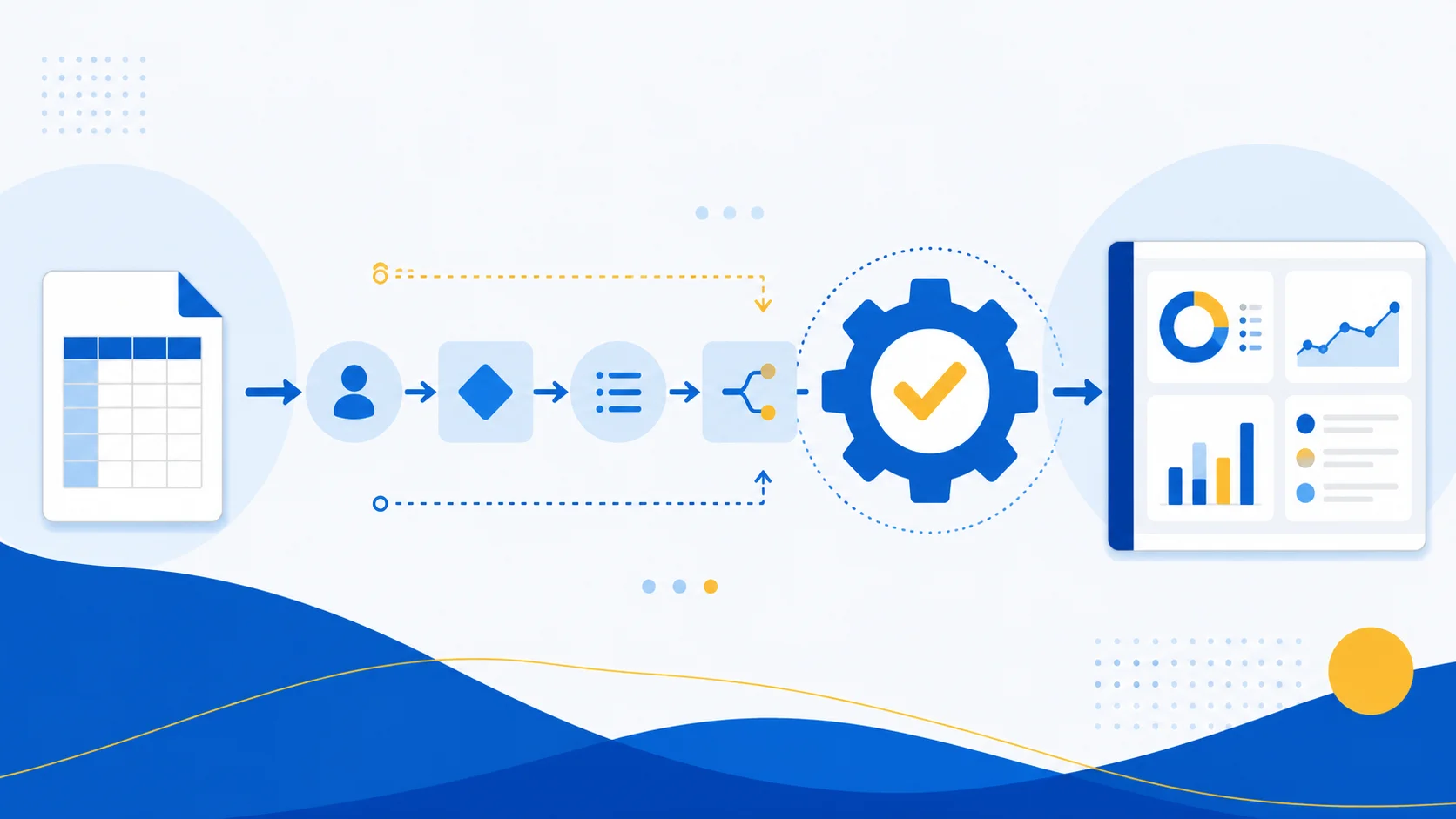
Migration Process: A Practical Roadmap
Phase 1: Assessment and Planning (2-4 weeks)
Comprehensive Technical Audit
- Application inventory: Catalog all apps and dependencies
- Code analysis: Use automated tools to assess compatibility
- Dependency mapping: Identify critical integrations and databases
- Performance evaluation: Establish current baseline metrics
Business Analysis
- Application criticality: Prioritize based on business impact
- Migration windows: Identify periods of lower activity
- Budget and resources: Estimate costs and required time
- Risks and mitigations: Contingency plan for each scenario
Phase 2: Environment Preparation (3-6 weeks)
Azure Setup
- Establish subscriptions and resource groups
- Configure virtual networks and hybrid connectivity
- Implement security and governance policies
- Set up monitoring and logging tools
Code Preparation
- Update incompatible dependencies
- Refactor problematic components
- Implement environment-based configuration
- Create automated deployment scripts
Phase 3: Pilot Migration (4-8 weeks)
Selecting the Pilot Application
Criteria for choosing the ideal app:
- Moderate complexity (not critical but representative)
- Few external dependencies
- Available and committed technical team
- Measurable business impact
Execution and Validation
- Data migration with integrity validation
- Application deployment in test environment
- Exhaustive functionality and performance testing
- Validation of integrations with existing systems
Phase 4: Gradual Migration (6-18 months)
Wave Approach
- Wave 1: Less critical and simpler applications
- Wave 2: Medium-complexity applications
- Wave 3: Critical and complex systems
Continuous Monitoring
- Real-time performance metrics
- End-user feedback
- Operational cost analysis
- Iterative adjustments and optimizations
Ensuring Scalability, Security, and Reliability
Scalability: Designing for Growth
Scalability Patterns in Azure
- Horizontal scaling: Auto-scaling groups in App Service and AKS
- Vertical scaling: Dynamic adjustment of compute resources
- Caching strategies: Azure Cache for Redis and CDN
- Database scaling: Read replicas and automatic sharding
Architecture for Scalability
Recommended design pattern:
Load Balancer → App Service → Service Bus → Microservices → Azure SQL
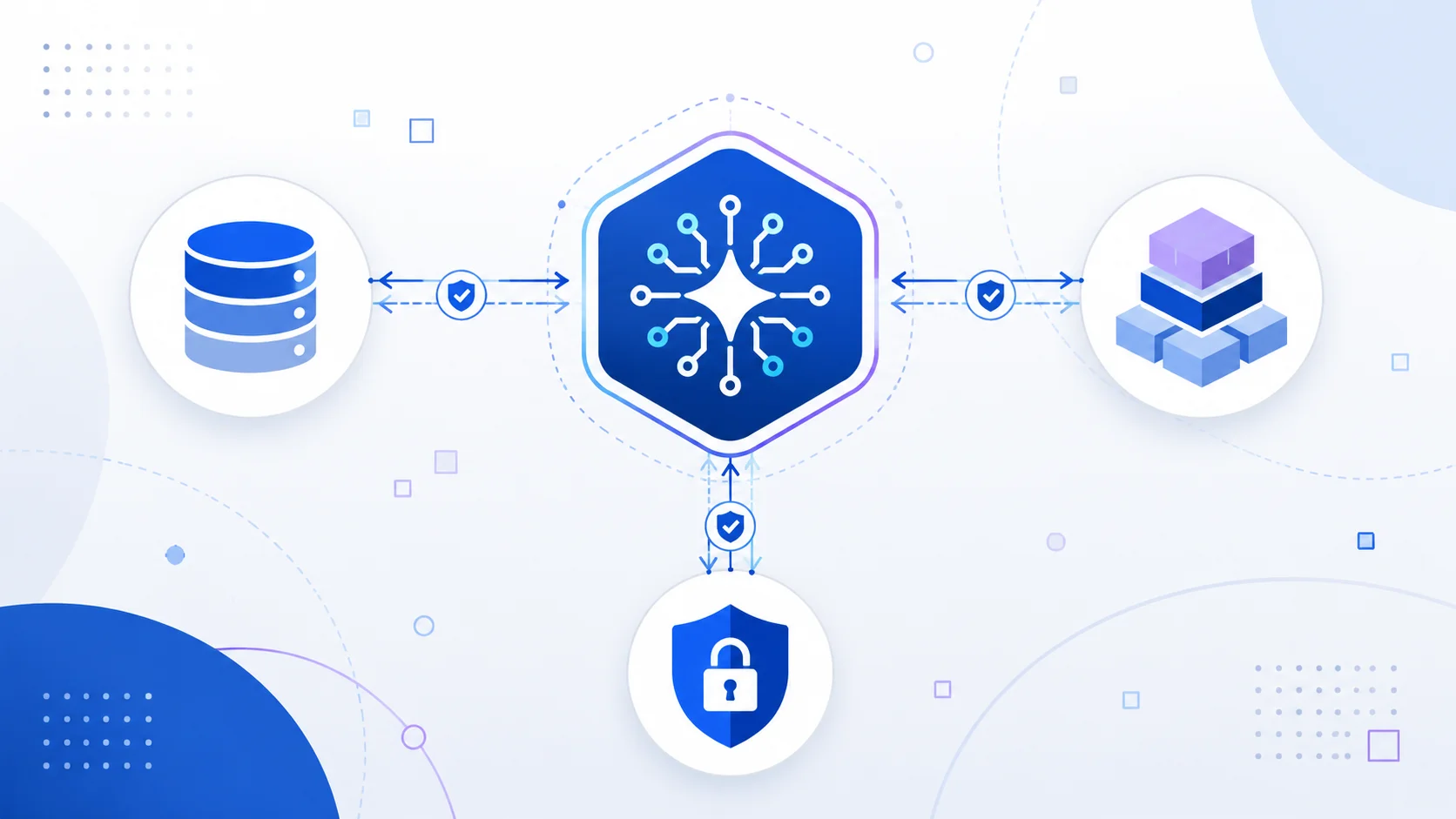
Security: Protecting Digital Assets
Layered Security Model
Network Level:
- Azure Firewall and Network Security Groups
- Private endpoints for critical services
- VPN Gateway for secure hybrid connectivity
Application Level:
- Azure Active Directory for unified authentication
- Managed Identity for service-to-service access
- Key Vault for secure secrets management
Data Level:
- Encryption at rest and in transit
- Automatic auditing and compliance
- Automatic backup with configurable retention
Reliability: Minimizing Downtime
High Availability Strategies
Multi-region deployment:
- Traffic Manager for geographic distribution
- Data replication across regions
- Automatic failover in case of disasters
Monitoring and Alerts:
- Application Insights for detailed telemetry
- Azure Monitor for infrastructure metrics
- Automated response to common incidents
ROI and Success Metrics
Key Performance Indicators
Technical Metrics
- Performance: Reduced response times (target: 30-50%)
- Availability: Improved uptime (target: 99.9%+)
- Scalability: Ability to handle traffic spikes
- Security: Reduced vulnerabilities and incidents
Business Metrics
- Time to market: Reduced development time for new features
- Operational costs: TCO comparison before and after migration
- User satisfaction: Improved experience and performance
- Organizational agility: Responsiveness to market changes
Calculating Return on Investment
Cost Factors
Initial investment:
- Azure licenses and services
- Development and migration time
- Team training and upskilling
- Additional tools and software
Long-term savings:
- Reduced physical infrastructure costs
- Lower need for maintenance staff
- Improved operational efficiency
- Reduced downtime and associated costs
Success Stories and Lessons Learned
Success Pattern: Manufacturing Company
Initial situation: ERP system on .NET Framework 4.5 with SQL Server 2012 on-premises
Migration process: 8 months, incremental approach
Results:
- 40% reduction in IT operational costs
- 60% improvement in response times
- Ability to scale during peak seasons
- Successful IoT systems integration
Key Lessons Learned
- Detailed planning is crucial: 70% of success depends on comprehensive initial assessment
- The human factor is decisive: Training and change management are as important as technology
- Start small, think big: Successful pilots build confidence for larger projects
- Monitoring from day one: Implementing observability early facilitates continuous optimization
Conclusion: The Future is Now
Modernizing legacy applications is not just a technological decision; it is a business strategy that can determine a company’s future competitiveness. .NET 8 and Microsoft Azure provide a solid, scalable, and secure platform for this transformation.
The time to act is now. Companies that postpone modernization will face rising costs and increasing competitive disadvantages. However, those that embrace this transformation strategically and with proper planning will leverage the opportunities of the digital era.
Recommended Next Steps
- Initial assessment: Conduct a full review of current applications
- Proof of concept: Select a pilot app to validate the approach
- Team building: Train the team on new technologies
- Strategic partnership: Consider collaborating with Microsoft Partners to accelerate the process
Modernization is a journey, not a destination. With the right strategy, tools, and committed team, companies can turn current technological limitations into future competitive advantages.
Is your company ready to take the next step toward modernization? The future of your business may depend on the technological decisions you make today.